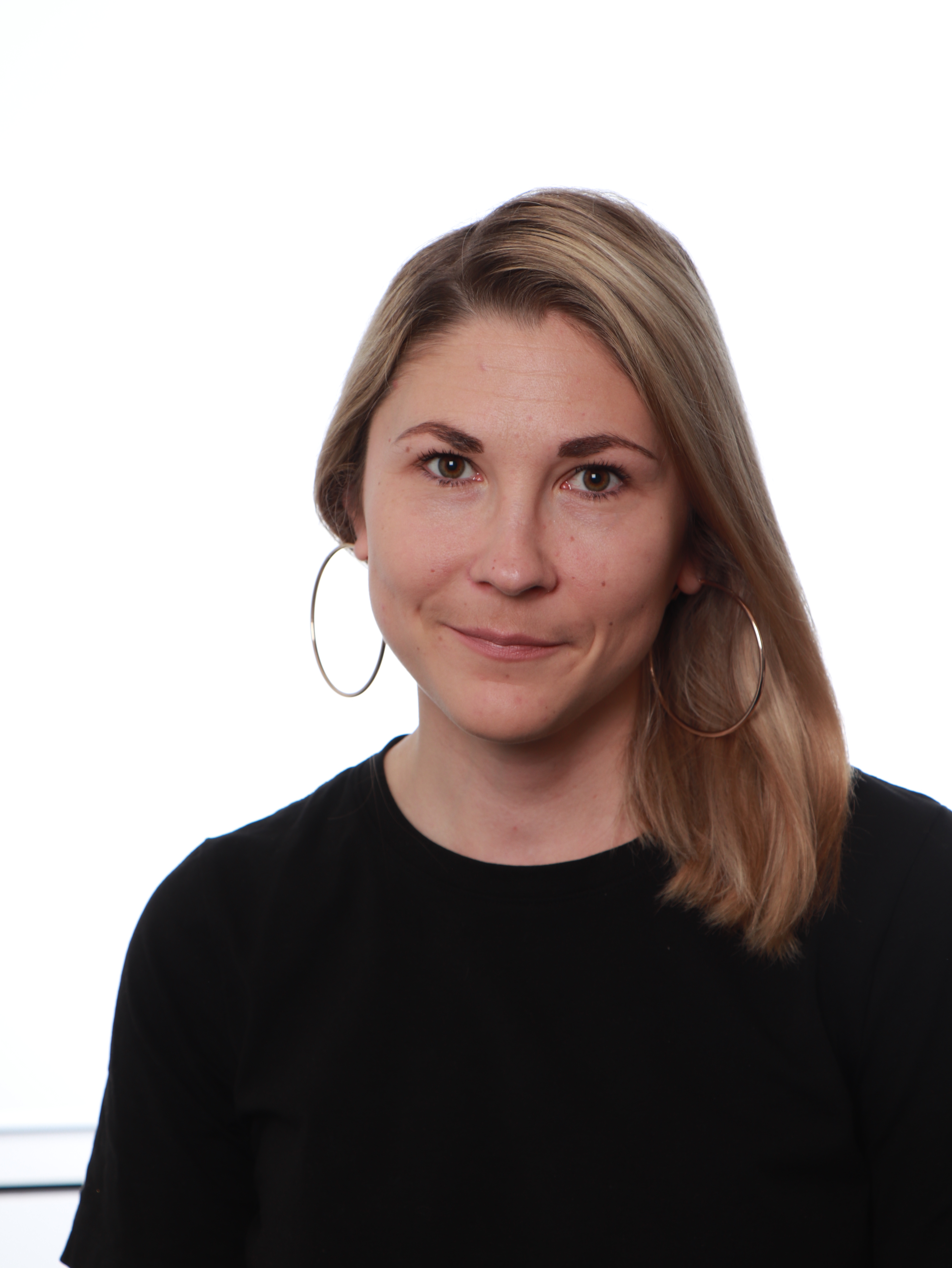
I am Nelly Penttilä, a docent in speech and language pathology, working at Tampere University, Finland. I lead the Kone Foundation–funded research project Did I Stutter?, which examines discrimination, ableism, and everyday inequalities related to stuttering in the Finnish context. Therefore, it was a privilege to open the 15th ISA World Congress for People Who Stutter in the arctic Rovaniemi (Finland).
My talk was shaped by a central aim within my work: to challenge taken-for-granted assumptions in speech and language pathology research and to widen what we understand as ‘evidence’ in clinical practice. Its purpose is not only to influence academic debates, but to act as a bridge between research and therapy, and between professional knowledge and the lived experiences of people who stutter. From the perspective of people who stutter themselves, the goal is to make space for voices that have too often been marginalized — not as patients to be fixed, but as experts of their own communication, identities, and lives.
Unfolding stuttering – speech given at the opening ceremony of 15th ISA World Congress for People Who Stutter, 6th August 2025, Rovaniemi
To unfold is to reveal, to open, to make visible what has been hidden or left unquestioned. Stuttering is not a fixed defect to be corrected; it is dynamic, embodied, relational, and profoundly human. And yet, much of our field still operates as if fluency were the ultimate goal and measure of success. One of the realities that still needs to be fully unfolded within speech-language pathology and research is ableism.
Ableism is a system of beliefs and practices that values certain kinds of bodies, minds, and voices over others. In our profession, it often appears in neutral-sounding concepts such as intervention, normalization, functionality, and outcomes. These words sound harmless. Sometimes they are helpful. But they are never neutral.
For people who stutter, the impact of ableism is not theoretical. It shows up at work, in schools, in healthcare, and even in therapy rooms. It shows up in small assumptions: that fluent speech is better speech, that clarity equals intelligence, that disfluency is something to be reduced. This cultural logic does not live only inside individuals — it is built into professional training, assessment tools, clinical goals, and research traditions.
Working against ableism begins with an uncomfortable truth: therapy is never value-free. Every target we set, every “norm” we rely on, every success story we celebrate is shaped by cultural ideas about what counts as acceptable communication. When we celebrate fluency without questioning why it is so highly valued, we risk sending an implicit message: that stuttering is something to overcome, rather than something to understand, accept, or even embrace.
When we focus only on changing the speaker, we ignore the environments that make communication difficult. Often, the problem is not stuttering itself, but contexts that are not designed to listen — not designed for different rhythms, pauses, repetitions, or ways of producing meaning. An anti-ableist approach forces us to ask different kinds of questions: Who benefits from the goals we set? Who feels seen in our clinics, classrooms, and research — and who doesn’t? Whose comfort are we prioritizing: the person who stutters, or the listener? These questions shift the focus from “fixing” individuals to examining systems.
Another essential shift concerns research. For too long, people who stutter have been treated primarily as objects of study, rather than co-creators of knowledge. If we are serious about dismantling ableism, we need to legitimise different kinds of knowledge: narrative knowledge, embodied knowledge, and community-based knowledge. Stories are not “soft” data. They are data. They show us how stigma is lived, how resilience is built, and how identity is negotiated. This also means creating real space for researchers who stutter, clinicians who stutter, and community-led research. This is not symbolic inclusion. It is about redistributing power in knowledge production.
If fluency is the only outcome that matters, then we are still working inside ableist logic. Often, the most meaningful outcomes look different: A person who feels at home in their voice, someone who stops apologizing for how they speak, someone who advocates for accessibility at work, someone who refuses to shrink or hide. These are not “secondary” outcomes. They are central.
In Finland, I have had the privilege of collaborating for nearly a decade with the Finnish Stuttering Association. Through co-created projects, one lesson has become increasingly clear: the knowledge we need already exists. It lives in the lived experiences of people who stutter. Our responsibility as researchers, clinicians, and educators is not to extract that knowledge, but to create conditions where it can grow, circulate, and shape the field.
Working against ableism is not a side project, nor an optional ethical layer. It is the ethical core of what our field must become.
So the question is: What are we unfolding? Are we unfolding more spacious ways of speaking and being? Or are we unconsciously reproducing the same hierarchies — just in more gentle language? If our field is serious about ethics and inclusion, then working against ableism is the work we must commit to.
By Nelly Penttilä
Tampere University, Finland
Email: nelly.penttila@tuni.fi